

On the Water: May is one of the best months for fishing
May is a month that ranks high for anglers fishing in the waters around Pine Island. It could be our best time of the year for chasing big fish.
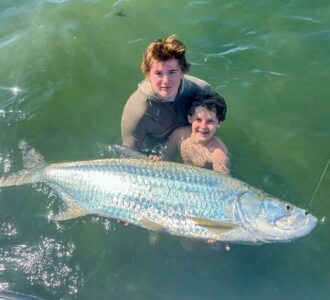
Tarpon season is at its peak. If you want to hook into a big tarpon, this is the time to do it. Large schools gather off the beaches, and inshore from Charlotte Harbor south to the Ten Thousand Islands. Gulf passes up and down the coast are popular tarpon hangouts, with Boca Grande Pass getting the most attention. It’s common to see upwards of a hundred boats on any given day tarpon fishing Boca Grande Pass. If you are going to fish Boca Grande Pass from your own boat, do your homework first.
Sharks large and small invade our waters from the shallow inshore flats to offshore. Many of the larger females, including bull, lemon and blacktip, move into inshore waters to give birth to their pups. Sharks are an underrated game fish. When hooked on moderate tackle, they are an absolute blast, especially high-flying blacktip, and spinners. Be careful when handling them, or better yet leave them in the water. If you cannot easily remove the hook, cut the leader as close to the hook as possible. Watch those teeth!
May is time for big snook to head for the Gulf passes and nearby areas for their upcoming summer spawning session. Although snook season is closed, they offer a challenge, and a lot of fun for the catch-and-release angler. If you hook into one, please handle it with extra care for a safe release. Never hang a large fish from its lips or mouth; this has proven to do irreversible damage to the heavier fish, often leading to its death, plus its illegal. It’s best to not remove a big fish from the water at all, not just snook, but any big fish to be released. If you remove one for a picture, hold it horizontally with both hands while supporting the belly. Make it quick, snap the picture, and return the fish to the water.
Hooking into redfish, and some big ones, is possible throughout the month. Good numbers of over slot reds were caught throughout April in the Sound along islands and keys. Calm mornings or evenings give sight anglers on the skinny flats some great opportunities at stalking tailing fish. Shallow draft skiffs, kayaks, canoes or getting in the water and wade fishing gives the angler a better chance to sneak up on fish in the calm shallow waters. As days get hotter, fish under the shade of the mangroves, docks or overhangs on the mid-day high tides. The last couple of hours of the incoming are often most productive. Redfish may run from little guys less than a foot to brutes pushing over thirty inches. Redfish eat a wide range of baits including live, cut, and artificial.
Mangrove snapper might be my favorite fish on the table. They are not the biggest fish around, but they fight incredibly hard for their size and offer excellent table fare. As we move closer to summer, expect numbers of snapper to increase throughout the inshore waters, Gulf passes and nearshore reefs.
Look for Spanish mackerel harassing bait schools inshore, around the passes, and nearshore reefs. Mackerels, with blazing speed, are a blast to catch on light tackle and often run in large schools. They are good on the table but should be eaten fresh, not frozen. While a stationary bait like a live shrimp under a bobber well work for mackerel, they really like quick moving shiny baits. A fast retrieve with a small silver spoon is hard to beat.
With the month bringing days with little to no wind, fishing offshore in Gulf waters is a good choice. Long runs to deeper water give you the best chance for the larger bottom dwellers such as red grouper, snapper, porgy, and others. If you are looking for a shorter trip and the potential for action, hit the nearshore reefs in depths from 20-50 feet. Coordinates are available for all public reefs, and most hold a variety of fish large and small.
This is a month to be prepared for anything; you never know what you might come across. I like to always keep a heavier rod rigged and ready, just in case. If you are fishing for tarpon or sharks, you already have the heavy arsenal out, but if you are just having fun on the flats with trout, you never know when that once in a lifetime cobia or school of tarpon might show up. Preparation and awareness are the key. Have a rod that will handle the job rigged and ready and pay attention to your surroundings. If not, that trophy fish might just swim right by without you even knowing it. The weather should be good and fishing even better. Get out there and take advantage of it!
Stay up to date with fishing regulations by visiting www.myfwc.com. Also, upload the Fish Rules app to your phone. It has current regulations and seasons with pictures to help identify fish.
If you have a fishing report or for charter information, please contact us at Gulf Coast Guide Service; phone (239) 410-8576, email gcl2fish@live.com or you visit us on the Web at www.fishpineisland.com
Have a safe week and good fishin’.
As a lifetime resident of Matlacha and Pine Island, Capt. Bill Russell has spent his life fishing and learning the waters around Pine Island and Southwest Florida, and as a professional fishing guide for over 20 years.