

On the Water: October is one of the best months for local fishing
As water temperatures begin to drop off our coast, schools of bait fish make their migration south through area waters. Many game and pelagic fish are on the move south as well. Combined with our resident fish, October presents good fishing for a variety of species.
You can fish for a specific species or just get in the mix of a feeding frenzy where you might be surprised by what you hook into. At times, a host of fish are ganged up on the same bait pod. It’s common to catch half a dozen or more different species from one area. It’s likely that larger fish are lurking as well; keep a heavy rod rigged and ready for that cobia, tarpon, shark or whatever else might make a presence. While targeting a specific species of fish can become challenging and often frustrating, taking advantage of whatever might be feeding will give you plenty of action and fun. Plus, that elusive fish that you were targeting might just show up when least expected.
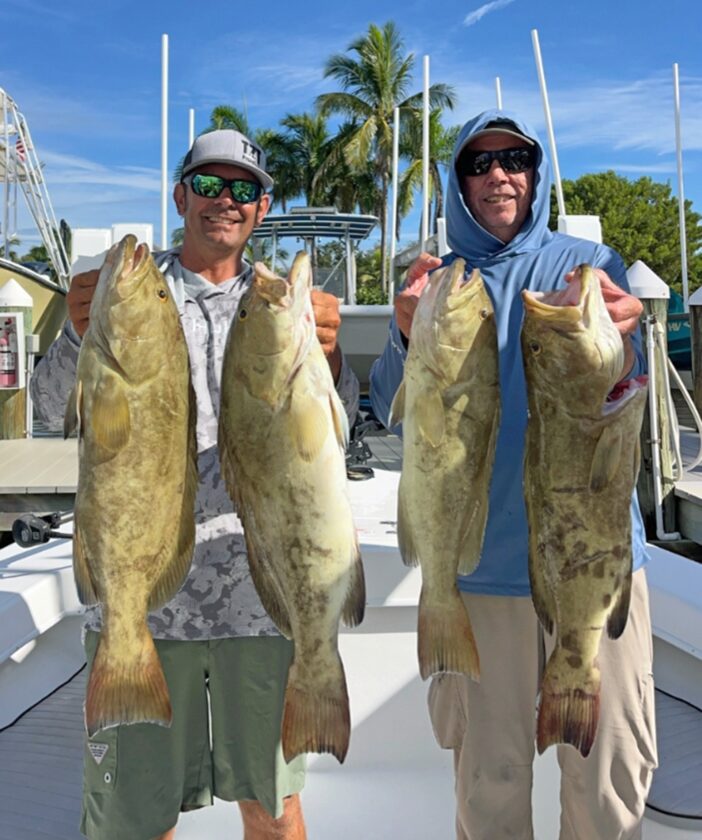
Offshore, look for bait balls anywhere from just off the beaches out into the Gulf about as far as you dare to travel. Birds are the best indicator to locate the schools; watch for terns, gulls or other birds grouped up and dipping into the water. Look for what appears as rain — bait fish — on the water, watch for feeding activity and the torpedo shapes of mackerel skyrocketing from the water. Artificial reefs are some of the best areas to concentrate your efforts. It’s common to catch king and Spanish mackerel near the surface or drop a bait to the bottom for snapper and grouper.
Inshore, watch for the same key signs over open water or grass flats. Also, a pod of dolphins hanging around an area is a great indicator of fish. Along shorelines and areas of shallower water, you will also notice schools of nervous bait and possibly fish busting them at the surface. This is where you can expect to catch snook, redfish, snapper and some big trout. Don’t ignore mullet schools; there is almost always something hungry and often big, either mixed in or hanging around the perimeter of the schools. Large trout and redfish look for food flushed out from the schooling mullet, and large sharks are often cruising around the perimeter of the schools, often in only a few feet of water. If you are a wade fisherman, take note and keep your eyes open.
As inshore water temperatures drop, big redfish will devour anything in their path. There may be just a few or several hundred or more working across the shallows on an eating mission. Fishing for big reds will peak in October as they begin their migration offshore once the first strong cold front of the season drops down from the north. Exactly when that will be only time will tell; if the weather remains mild, the big fish can entertain us throughout the entire month.
This is a good time for catching snook across the inshore waters. Fish for them around structures, shorelines, island points and oyster bars with good tide movement. It’s possible to hook a dozen or more snook from the same spot. Snook do not necessarily school by size. It’s not uncommon for big and little to be mixed together. Snook season is open in October and November.
Inshore mangrove snapper fishing was good throughout the summer and will begin to taper off. Most make their way offshore as the waters cool down. Artificial reefs and ledges or hard bottom in depths from 30-50 feet are prime snapper habitat. Also, fishing in and around the Gulf passes is always a good bet for snapper. Live shrimp with light tackle is the best way to go, and if you are anchored, a chum block is a great idea. Snapper are school fish; if you catch one, expect more. Always have a heavier rig in the rod holder with a live flatlined bait. You never know when a big cobia or some other species might come into play.
Last year was a good one for sheepsheads and we should begin to see them later in the month. As they move in, there could be some big ones mixed in with the snapper offshore and around the passes. Sheepsheads will not eat any type of fish, live or dead; shrimp is the go-to bait for most anglers. Stay up to date with fishing regulations for areas you fish by visiting www.myfwc.com. Also, upload the Fish Rules app to your phone. It has current regulations and seasons with pictures to help identify fish.
October is one of the best months to fish. With great weather and not a lot of fishing pressure, we can expect days where fish are hungry and aggressive. If you are fishing or just spending time on the water, this is a great month.
If you have a fishing report or for charter information, contact us at Gulf Coast Guide Service by calling 239-410-8576 or emailing gcl2fish@live.com. Or you can visit us online at www.fishpineisland.com.
Have a safe week and good fishin’.
As a lifetime resident of Matlacha and Pine Island, Capt. Bill Russell has spent his life fishing and learning the waters around the Pine Island and Southwest Florida, and as a professional fishing guide for over 20 years.