

School district says it will use capital funds to offset a projected operating budget deficit
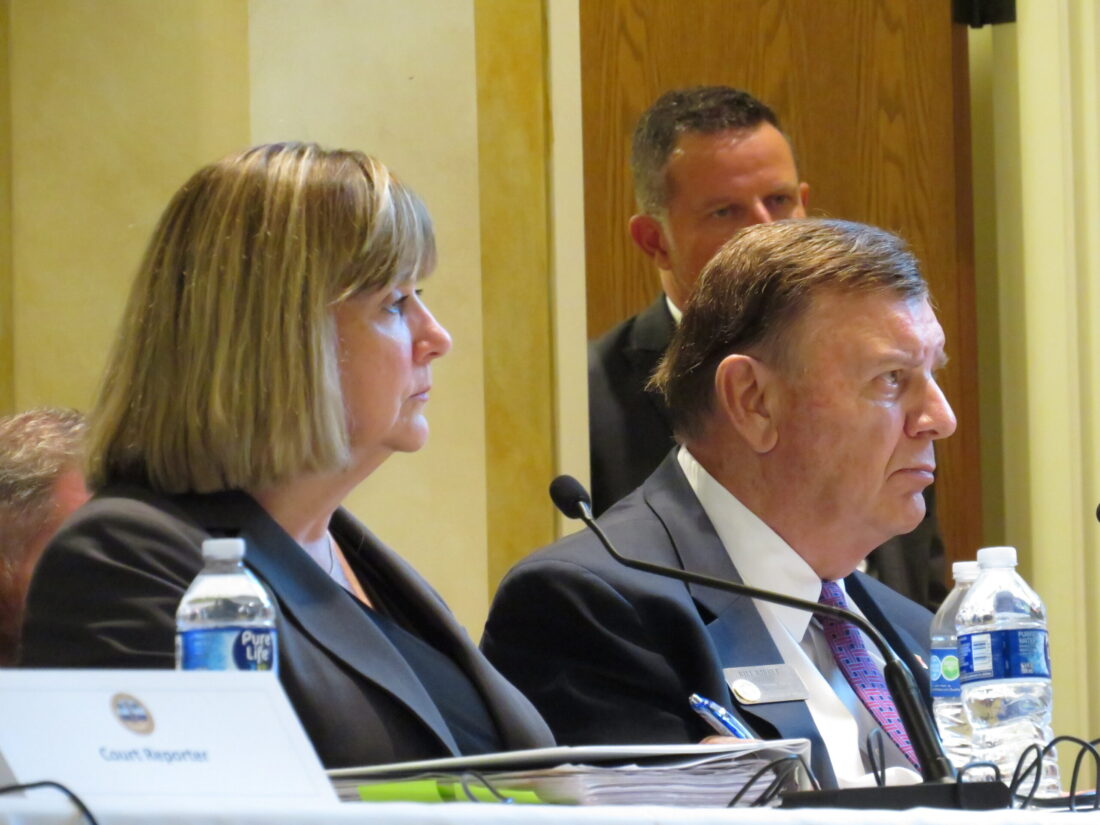
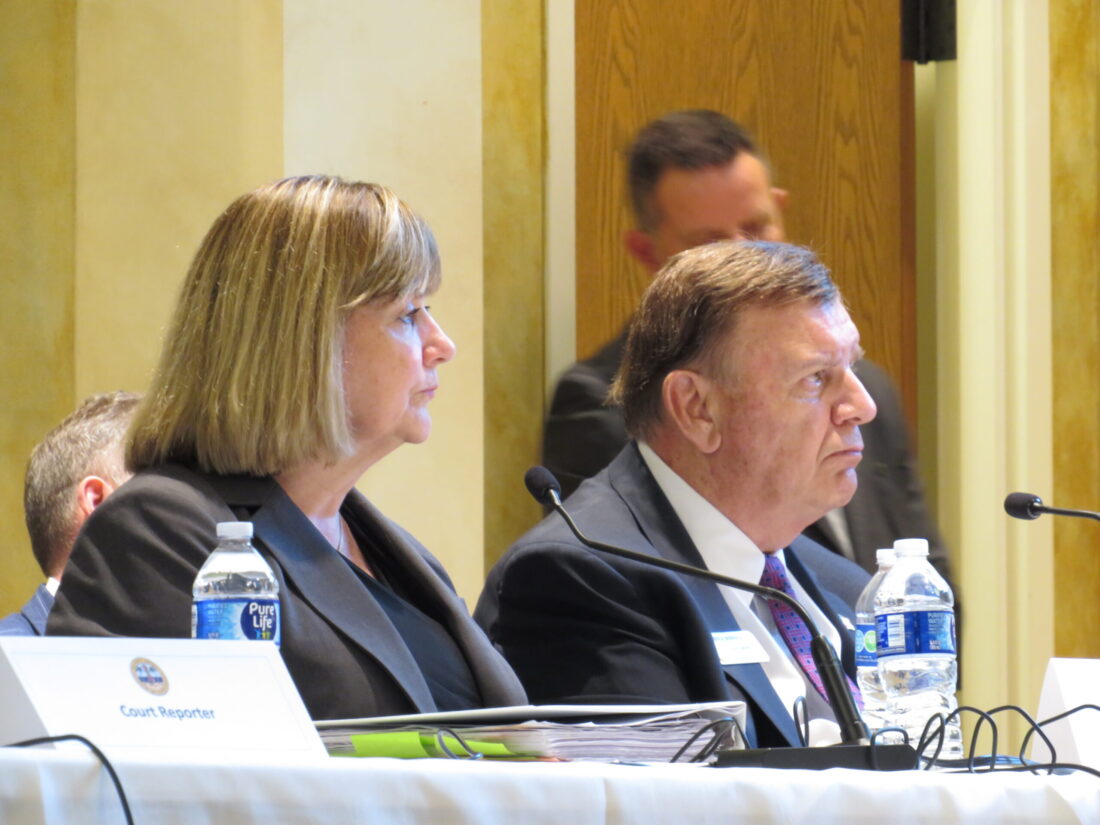
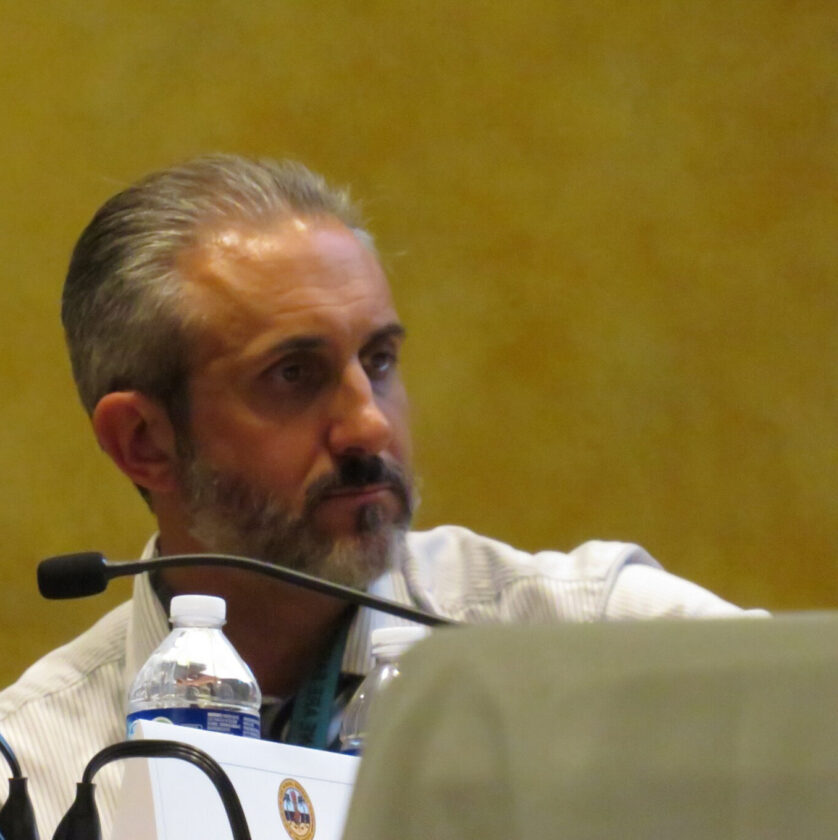
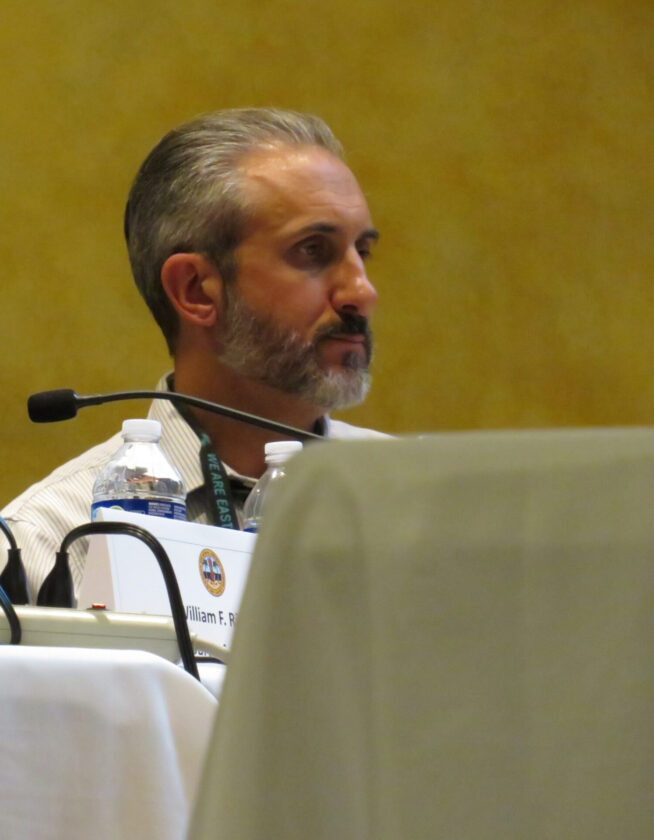
The Lee County School Board was informed by school district administrators that the district will tap into the capital fund to offset an expected operating deficit of more than $92 million. The district will be utilizing $45.4 million from its capital fund to help offset the deficit.
“This deficit we are anticipating for next year we will offset with an increase transfer from capital funds,” Chief Financial Officer Sarah Cox said.
The district’s deficit was announced just months after the school board voted to borrow $144 million to construct a new controversial high school in Alva that was opposed by many residents in the unincorporated community.
The budget overview began with Deputy Superintendent Dr. Ken Savage stating that Tuesday’s workshop was one of the most important budget workshops that they will have all year.
The fiscal year 2026 financial outlook has a beginning fund balance, or savings of $185,685,212. There is a decrease, deficit, in the fund balance of $46.7 million
“Capital transfer is a strategy and one we must be intentional for our financial future,” Cox said.
Cox said the fiscal year 2026 had a beginning fund balance of $185,685,212, new revenue of $1.018 billion and other revenue sources of $45.67 million. The ending fund balance is $138,954,688 for a decrease in the fund balance of $46,7 million The transfer from capital is $45,4 million.
She said there is an intentional effort to reduce the district’s savings account.
“If a fund balance grows too large, it can be a sign of an underinvestment on daily operations,” Cox said.
She said they are anticipating a reduction with the fourth calculation of the Florida Education Finance Program. Cox said the most recent forecast is more than $92 million deficit.
To minimize the shortfall, she said they are transferring $45.4 million from the capital.
“There is potential for the unassigned fund balance to fall below 10%,” Cox said of the unassigned fund balance. “It’s about a sustainability mindset rather than a growth mindset.”
Cox said a capital transfer to the general fund is allowable by Florida statute.
In response to questions about the presentation and the projected operating deficit, School District of Lee County spokesman Rob Spicker said the district is currently projecting a $92 million deficit after taking into account $1.1 billion in projected expenditures and $1.02 billion in projected new revenues. The district is transferring $45.4 million from its capital fund to reduce the deficit to $46.7 million.
For fiscal year 2026 that ends June 30, “the District is currently projecting a $46.7M deficit in the general fund,” Spicker said in an email to the Fort Myers Beach Observer. “This is calculated by taking all projected revenues and deducting all anticipated expenditures.”
The district has a total budget of $2.9 billion this year, which also includes capital projects and debt service.
Spicker said the district is projecting a deficit for the fiscal year 2027 as well. “The district continues to work through the development of the FY27 budget to mitigate any deficits,” Spicker saidl
District administrators, who have been meeting with Fort Myers Beach Manager Will McKannay in a conflict resolution process over the continued closure of Fort Myers Beach Elementary School, have rejected the town’s requests for funds to repair and rebuild the school. Town officials have alleged they believe the school district did not use all of the funds FEMA gave to the school district to help the school be rebuilt after Hurricane Ian. The school district was also required to build a $6 million cafeteria building for the elementary school by last year. The school has been closed since Hurricane Milton in 2024.
“The fund balance is not a literal account where money is given to or taken from throughout the year,” Spicker said in response to questions. “Fund balance is a financial snapshot taken at the end of the year to capture all revenues received and all expenditures incurred within the fiscal year. Given this, throughout the year, we project what our total revenues and total expenditures are anticipated to be to calculate our projected ending fund balance. The reason the snapshot is always taken, and projections are made around, the end of the year is because of the timing differences between when revenues are received and when expenses are incurred that distorts the number if you look at it mid-year.”
Spicker said the administration is continuing to evaluate its operating deficits (or surpluses) as of the end of the year. “This is strictly due to the timing of when revenues are received and when expenditures occur. For example, because over 60% of our operating revenues are from property taxes, a large influx of revenue occurs in November and December when the community pays their property tax bill. On the other hand, a lot of expenses occur in June when we pay wages to all of our employees working less than 12 month so that they receive a paycheck over the summer,” Spicker said.
Savage said through the pandemic the district continued to grow. He said the challenge was a significant increase in teacher vacancies – 575 teacher vacancies a year ago.
The good news – the district is down to single-digit vacancies in various regions.
“Unfortunately, now we are experiencing declining enrollment,” Savage said, adding that it is impossible to predict with 100% accuracy. “We have to build a budget under conservative guardrails.”
He said in Lee County, through federal stimulus and programs, they have invested in their schools well beyond that state funding model.
“Now we have a situation – fully staffed. You are budgeted for students that did not show up and staffed for people that didn’t show up,” Savage said. “We are putting about $30 million more beyond generated through FTEP model to our schools.”
He said if you want to raise people’s salaries, but there are not additional revenue sources, you have to pay for that by cutting costs in other places.
“We actually want to deficit spend until we get to a desired threshold,” Savage said, which is 10%, unassigned fund balance.
The district has been in excess of 10% for quite some time for the unassigned fund balance.
There has been “a lot of attention at the federal level when talk about DOGE – the thought process behind is really about providing fiscal stewardship in governance,” Savage said, adding that it is a very powerful thing to lead with a purpose spending every penny they have with a safeguard.
Cox said looking to fiscal year 2027 they continue to project a deficit.
“Factors that are affecting fiscal year ’27 budget – declining enrollment, expansion of student choice, stabilizing property values and declining interest rates and inflation,” she said.
Spicker said the upcoming fiscal year will be the first year outside of covid that the district has experienced declining enrollment in several years.
Spicker said that the state’s expansion of school choice is impact the district’s finances. “As the State continues to embrace parental choice, the educational options for students has increased dramatically since 2024 allowing families to receive public dollars to attend private schools and homeschool. Additionally, there are options outside of the public funding space,” Spicker said.
Despite the financial headwinds, the school board voted in October to borrow $144 million to construct a new high school in Alva, which will be comprised largely of students bused in from Lehigh Acres. The school board voted to approve the expansion based on information from school district administrators that the school district’s population is growing. The school board faced large opposition from Alva community members to the new school, which opponents claim will create new traffic and infrastructure issues while impacting the local environment.
Fort Myers Beach Observer Editor Nathan Mayberg can be reached at NMayberg@breezenewspapers.com