

‘Readiness is built before the rubble falls’
Former FEMA search and rescue chief Hernandez reacts to emergency teams’ heroic efforts in Venezuela
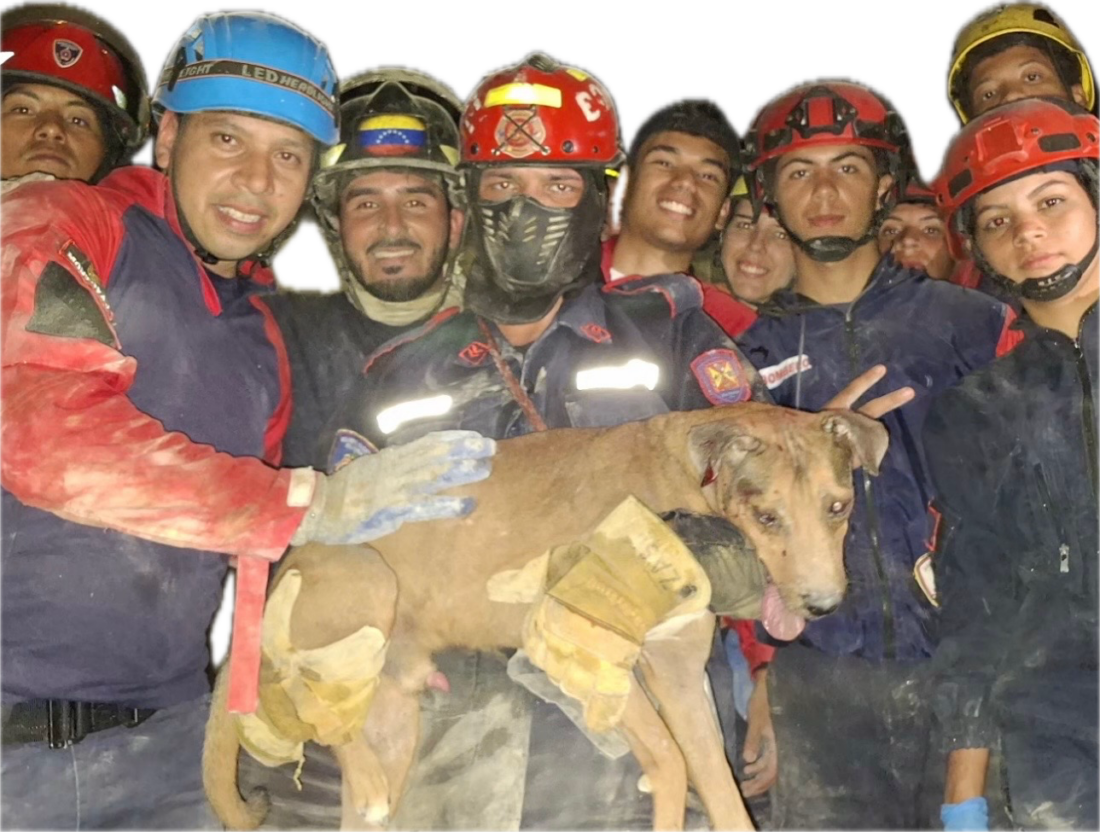
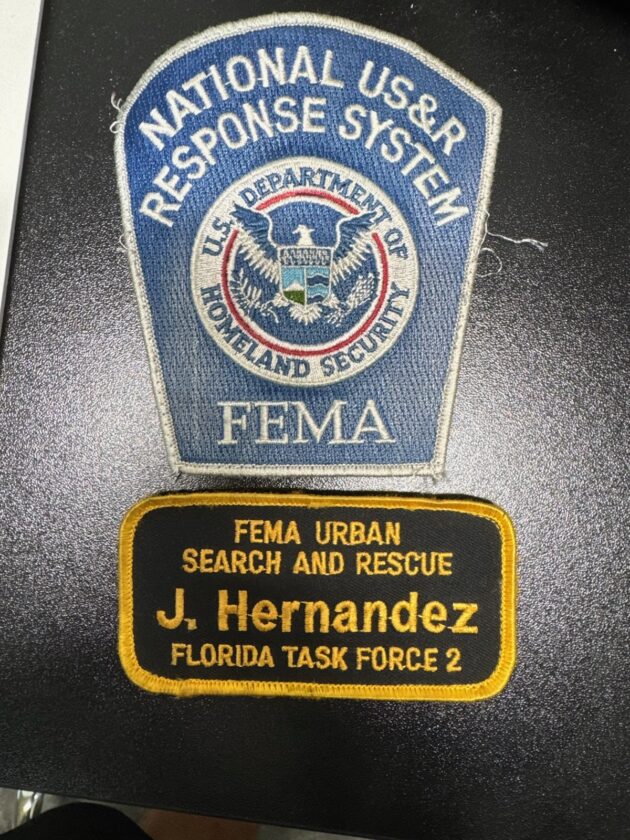
According to retired FEMA Urban Search and Rescue Disaster Response Medical chief (now consultant) and Matlacha Pine Island Fire Control District fire commissioner Joe Hernandez, training matters, speaking about the teams who responded to the Venezuelan earthquakes, it closes the gap before the next disaster.
“Readiness is built before the rubble falls,” Hernandez said.
Medical personnel, physicians and paramedics, he said, complete training at the Florida State Fire College, delivering critical care in dark, confined spaces and sustaining advanced treatment through complex extrications, finishing the week with a Capstone night live field exercise.
The come from fire-rescue and EMS agencies across Florida with one purpose: to be ready when someone’s worst day becomes their call to respond.
“I was in the middle of class when the 2010 Haiti earthquakes happened in January,” Hernandez said.
He went on to explain how ironic it can be when disasters strike in the midst of training for a disaster, adding that this is the very reason that the training is necessary. Deployment is generally done for 10 to 14 days, he said, explaining that two of the teams were cut short, likely due to local sickness from decay or possibly vandalism.
“They could not help people that ere entombed or waste time on dead people, they had to try and find survivors,” Hernandez said.
Contamination in the water is likely to change the condition of health, although the majority of doctors in Venezuela are Cuban educated, he said.
The 2010 Haiti earthquake and the Champlain Towers South collapse both remind us why preparedness matters before disaster strikes. At Surfside, responders who trained together found themselves working side by side in dangerous conditions, searching through concrete, steel and uncertainty for signs of life, he explained. For 29 days, Florida, national, and international task forces worked one of the longest FEMA Urban Search and Rescue operations in U.S. history.
Behind every statistic were lives, families, responders and a community forever changed.
Now imagine that challenge multiplied across hundreds of collapsed multistory buildings after the major recent earthquakes in Venezuela. Search, medical care and extrication from unstable rubble requires more than equipment. It requires relationships, trust, preparation, and the will to keep going when the work is exhausting, dangerous and deeply personal, Hernandez said.
They also require protecting the mental and medical well-being of responders–deployed and non-deployed. Extended critical incident stress is real, and its impact must not be overlooked.
This is why training matters.
“Usually, the dogs find somebody, the guys get in there and they use wood and shoring and they shore up the entrance so it doesn’t collapse so much in your area, so you can work on the patient and then you get them out,” Hernandez said.
Rescue efforts continue on the ground. Florida Task Force 2 is operating alongside Chile’s Urban Search and Rescue team, as well as additional international response teams, in Playa Grande, La Guaira, Distrito Capital, Venezuela. He said, the coming hours remain crucial as crews carry out a highly technical operation to reach and rescue a patient trapped beneath the collapsed structure. Each decision is made with precision, every second counts and every responder remains committed to a single objective: saving a life.
The U.S. FEMA teams are home now. According to Hernandez, they were given 72 hours off for rehab.